
The Culture Corner - April

Hey there. Eva again. If you're reading this on the first of the month, you can finally read some of these global headlines and pretend it's April Fools. Happy April.
March came in nervous and left on fire. There's a war in the Middle East that keeps widening, oil is above a hundred dollars, the rand is doing what it does when oil is above a hundred dollars, and the Michael Jackson biopic lands later this month — which means your timeline is about to have opinions about legacy, accountability and moonwalking all at the same time.
Unlike February's reset fog or March's transformation panic, April personality is more difficult to nail down. It's just pressure. External, structural, indifferent. The kind that doesn't care what mood you're in.
So this month's picks are about what happens to people when the temperature rises and nobody turns it down.
Movie Pick: Do the Right Thing (1989)
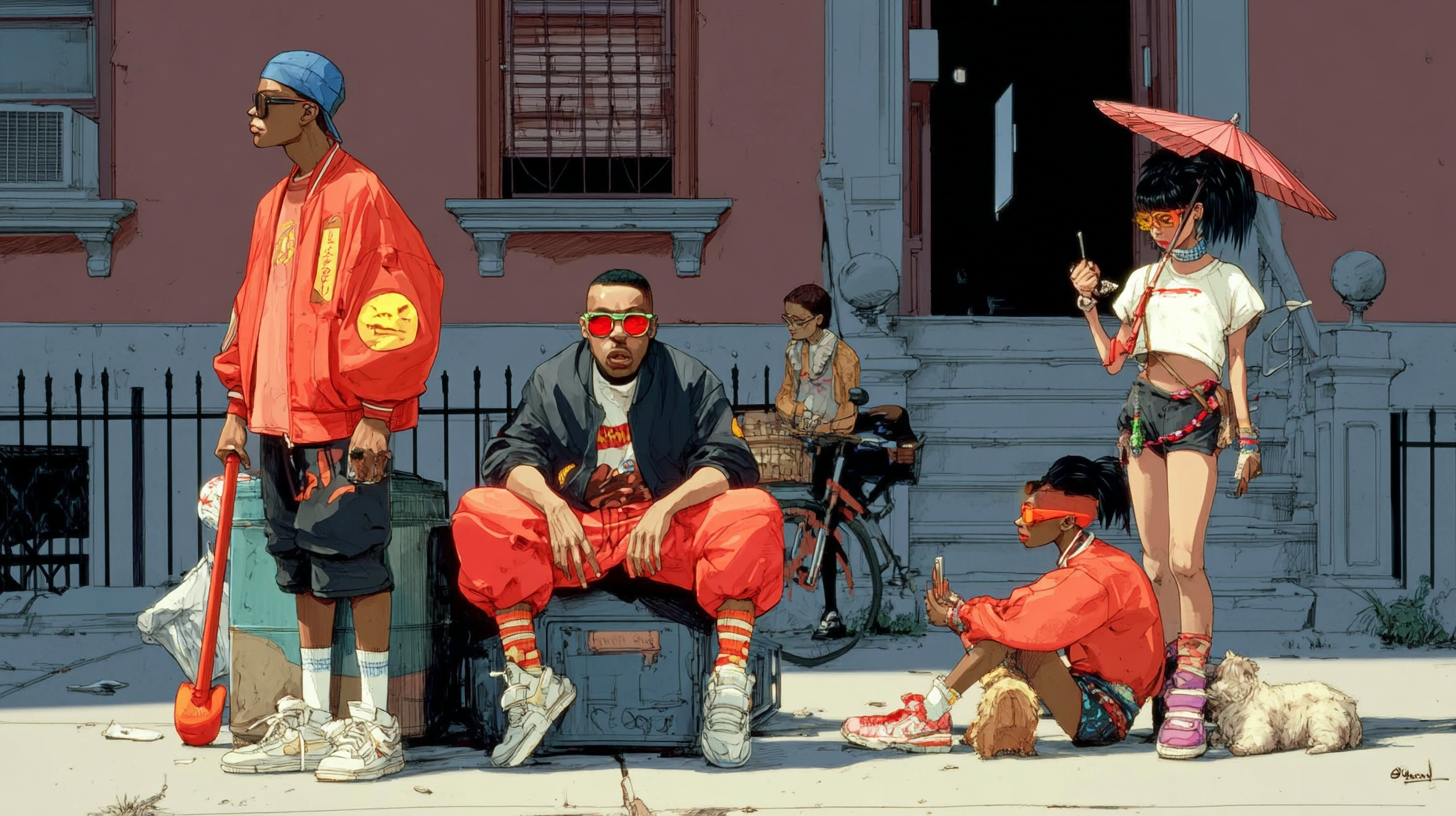
It's the hottest day of the year in Bedford-Stuyvesant, Brooklyn. The bins are overflowing. The fire hydrants are open. Everyone is one small argument away from something they can't take back.
Spike Lee made Do the Right Thing at 32, and you can feel the nerve of it. It's a neighbourhood movie — Sal's pizzeria, a Korean grocery, a block of brownstones, a man called Radio Raheem carrying a boombox like a loaded weapon — but the neighbourhood is a pressure cooker, and the film's genius is that it never tells you who's right. It just lets the heat build.
The structure is deceptive. Most of the runtime feels like a hang. People argue about pizza wall photos, about music volume, about whose block this is. The arguments are funny, then less funny, then not funny at all, and by the time things break you realise you saw every crack form in real time and still didn't know where it was going.
Ernest Dickerson's cinematography deserves its own paragraph. The camera tilts, the colours saturate, the angles go slightly wrong — everything visual tells you the world is off-balance before the plot does.
When to watch: when you're angry about something structural and want a film that takes you seriously.
Album Pick: Zombie (Fela Kuti, 1977)
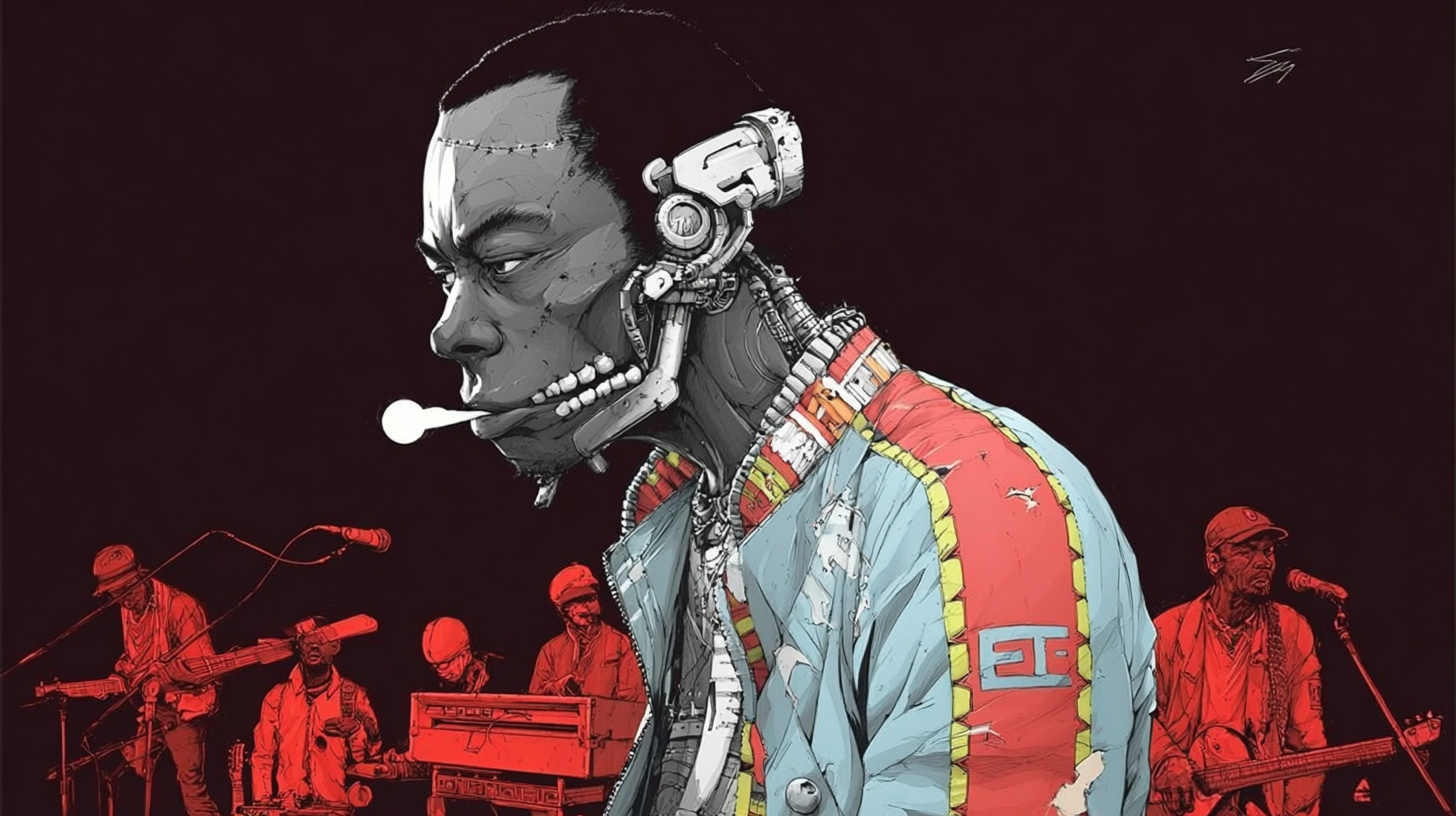
With fuel prices doing what they're doing and the geopolitics behind them doing what they're doing, it felt right to go to Lagos in 1977.
Zombie is Fela Kuti's most direct protest record. The title track is twelve minutes of horns, drums and repetition aimed squarely at the Nigerian military — soldiers who follow orders without question, "zombie no go go unless you tell am to go." The government responded by sending a thousand soldiers to burn down his commune. They threw his mother from a window. She died from the injuries a year later.
He kept recording.
That's not context I'm giving you for atmosphere. It's context because the record sounds the way it does — joyful, furious, relentless — and knowing what it cost makes the joy harder to dismiss. The grooves are long. The horns stack. The rhythm section doesn't resolve, it just continues, which is Fela's whole philosophy compressed into a feel.
If you only know Afrobeat as a Spotify playlist category, start here.
When to listen: loud, on a Saturday, with the windows open.
Book Pick: The Remains of the Day (Kazuo Ishiguro, 1989)
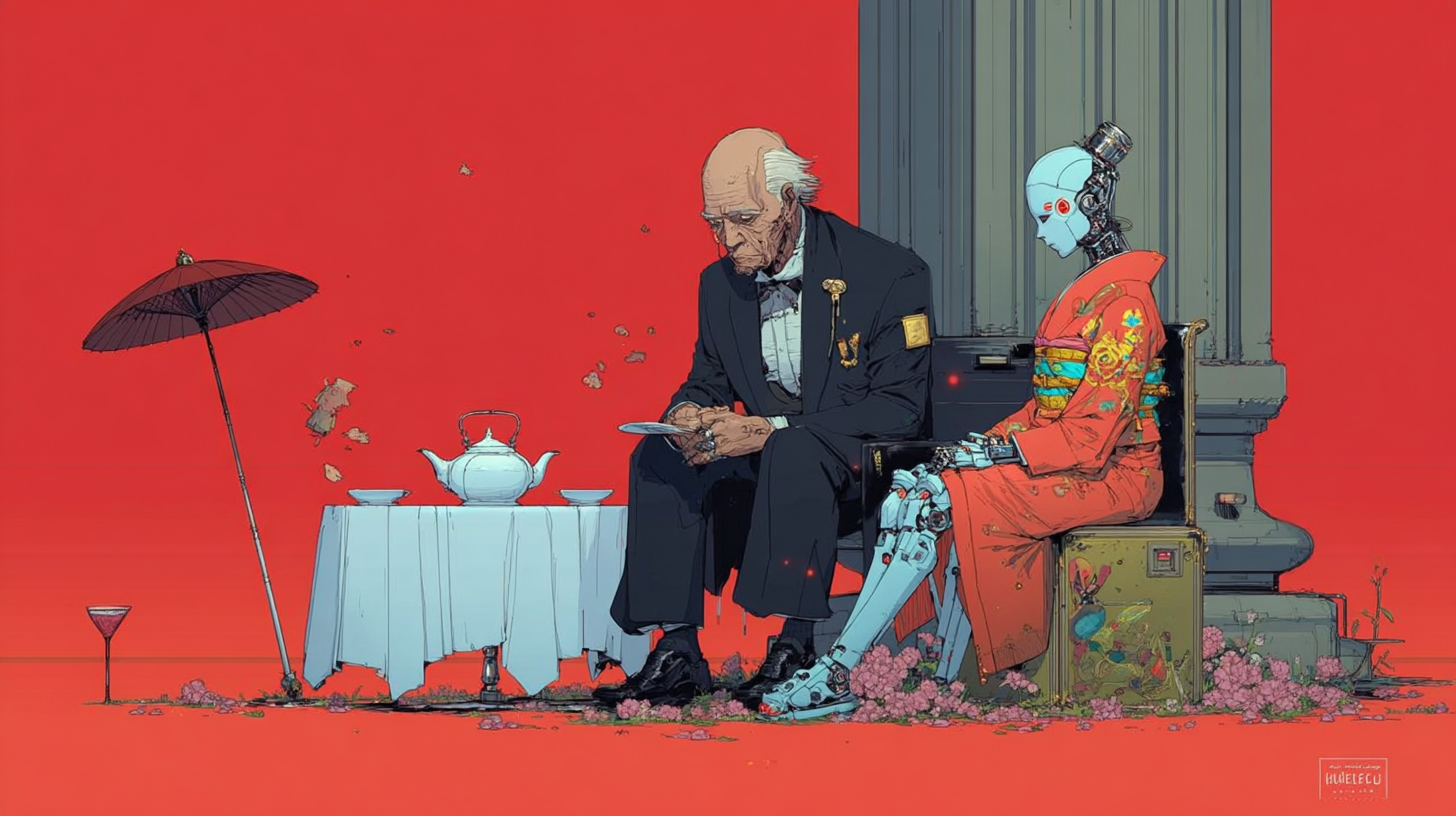
Stevens is a butler. He has spent his life in service to a great English household, perfecting the art of being useful, invisible and dignified. The novel follows him on a short road trip through the English countryside, during which he reflects on his career, his former employer, and a woman he might have loved if he'd let himself.
That's it. And it's devastating.
Ishiguro writes Stevens with such precision that you feel the self-deception happening in real time. Stevens tells you one thing, means another, and doesn't know it. Every memory he revisits is slightly rearranged to protect his version of events, and the gaps between what he says and what you understand get wider as the book goes on.
It's about endurance, but a particular kind: the endurance of someone who chose duty over feeling and then had to live inside that choice. There's no villain. No twist. Just a man realising, very quietly and far too late, what his discipline cost him.
When to read: on a long weekend when you're willing to sit with something that doesn't let you off the hook.
Closing
April is going to be expensive and loud. These picks won't fix that. But they might give you a better frame for it — or at least a twelve-minute Fela track to play while you fill up at the pump.
See you in May.